ELICA's IKI

カテゴリー: 旅行

  • Japanese Daily Trays

    Japanese Daily Trays

    Hi!
    Today I have three pictures for you.
     They are serving trays I use daily.
    They are Japanese made and of course, they are made of wood.
    All in different styles.

    SyunKe-i.

    ShunKe-i. 春慶
    ShunKe-i is a style of lacquerware.  
    I heard there are several house branches in ShunKe-i.  
    The most famous house is of Hida area (World Heritage).  
    This tray is of Ki-Syu WakaYama.  

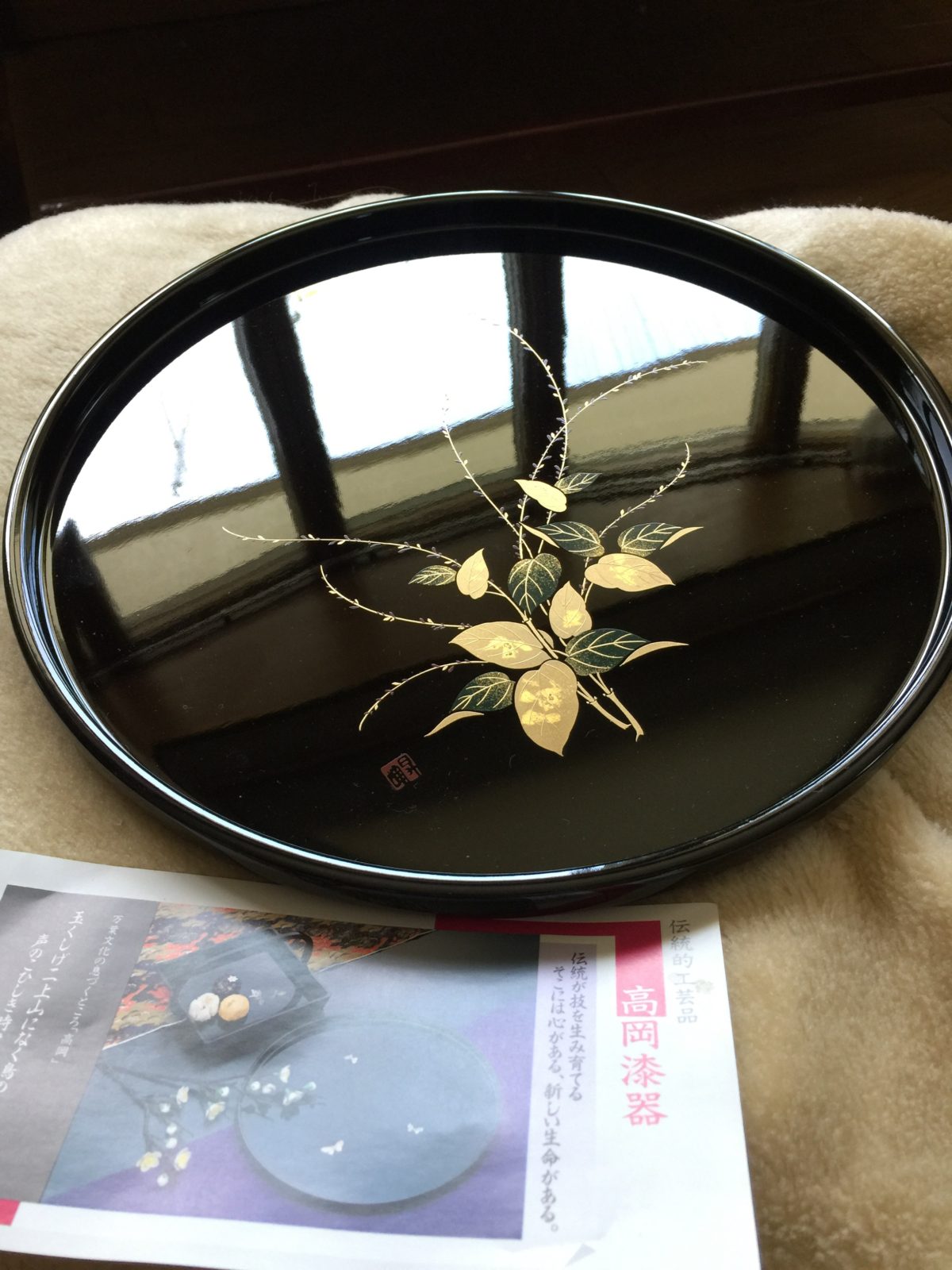
    TakaOka

    TakaOka 高岡
    TakaOka is a style of lacquerware of TakaOka area.
    How interesting to see the very different styles of lacquerware, comparing to ShunKe-i.

    The last one is, I think, from Aomori.  
    Aomori is very cold and life is hard there in the winter.  
    But the people’s heart is very warm.
     I think the tray carries the essence, with its powerful wood carving style.


    Subscribe Elica’s IKI, the newsletter to get to know more about beautiful, mysterious Japan.
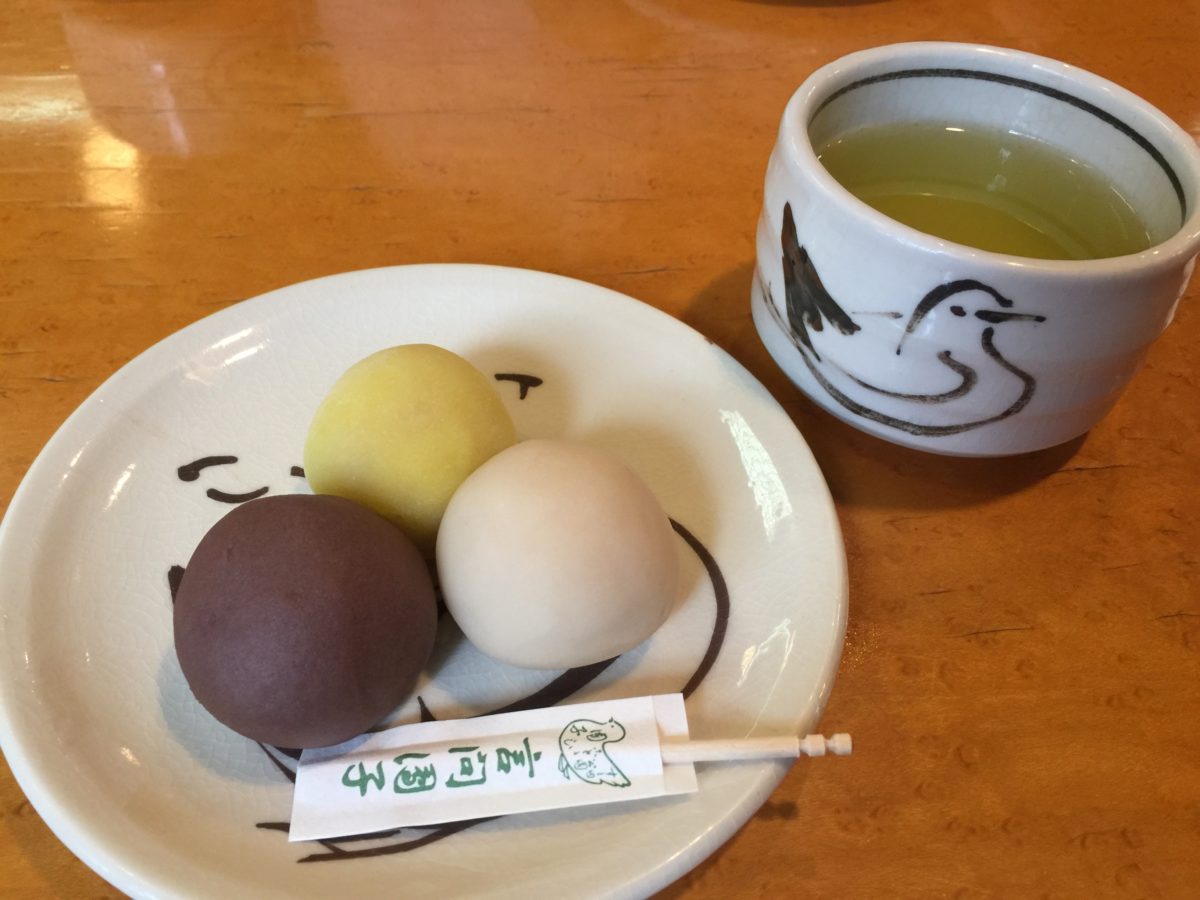
  • KotoToi Dango

    KotoToi Dango

    KotoToi Dango.

    A kind of Japanese sweets.

    I wonder why I feel the need to put the word “Japanese” every time I show something originated in Japan?

    Because, people are not familiar with.

    OK, so here it is!

    Another Japanese sweet.

    KotoToi Dango.

    Dango means this kind of round squashy food.
    (For exmple, if they are made of meat, they are called Niku Dango, meatball. However, a ball is not called Dango. A ball is called Tama in Japanese. Hey, complicated! Sorry.)

    OK, I got the Dango part. But why the name KoToi?

    KotoToi is the name of a street in Tokyo.

    KotoToi Dango is originated from there.

  • Japanese Sweets

    Japanese Sweets

    When I visited Kyoto this New Year, just before getting in Shinkansen to Tokyo, I popped into a small Japanese style cafe at Kyoto Station.

    And I had a wonderful little treat.

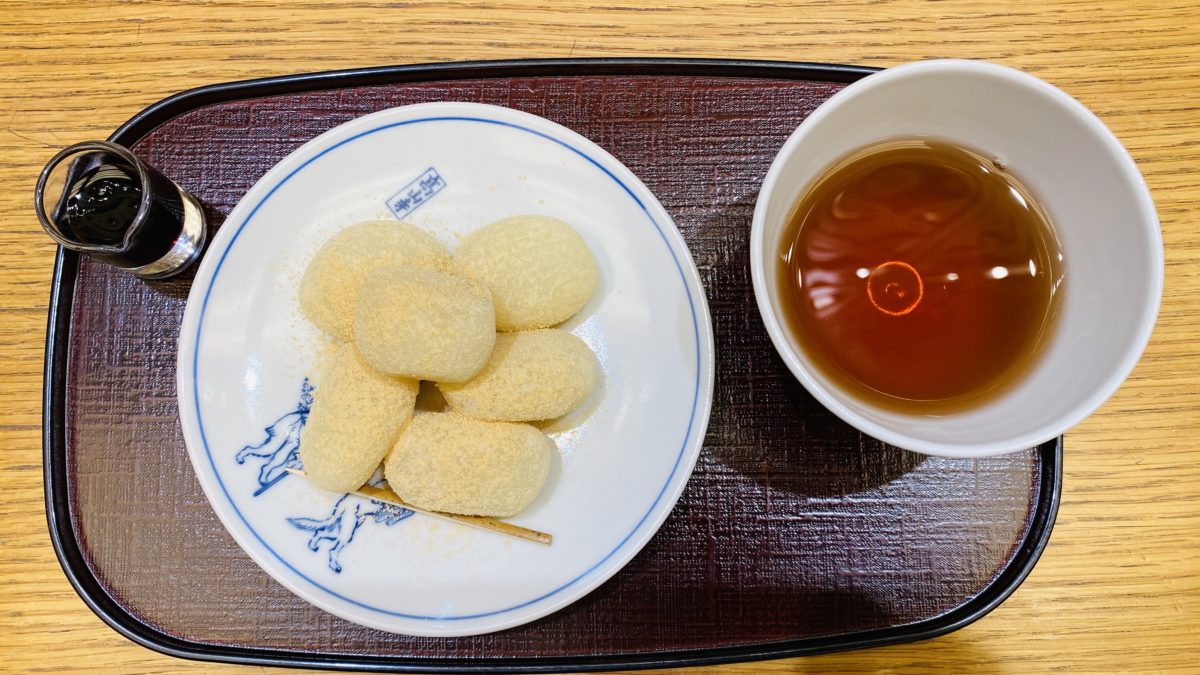
    This yellow round thing is Nama-Yatsuhashi, with Kinako powder sprinkled over.

    The black small cup on the left is Kuro-Mitsu, the Japanese sweet syrop.

    The brown cup on the right is Japanese tea.

    The most famous Japanese sweets for travelers to Kyoto is YatsuHashi.

    YatsuHashi is a kind of cookies, seasoned with cinnamon.

    When it is served unbaked, then it is called Nama-YatsuHashi, as Nama means raw or fresh.

    It is soft and delicate.  Happy!

    Taste Japan.


    Subscribe my newsletter, fun, and love of Japanese culture and travel tips.

  • The SoundScape of Secret Spring Water

    The SoundScape of Secret Spring Water

    Another healing soundscape from Elica.

    This is the sound of secret spring water for tea ceremony in Ginkaku-Ji.

    It was discovered in the 15th century when the pavilion was built.

    Actually, the pavilion was built because of this spring water.

    Feel the smoothness of the beautiful fresh green rocks and drippings of water.

    The filming day was very quiet, but you may hear people’s footsteps and voices as well.  I think they too are the soundscape.

    Enjoy.

  • Silver Pavillion

    Silver Pavillion

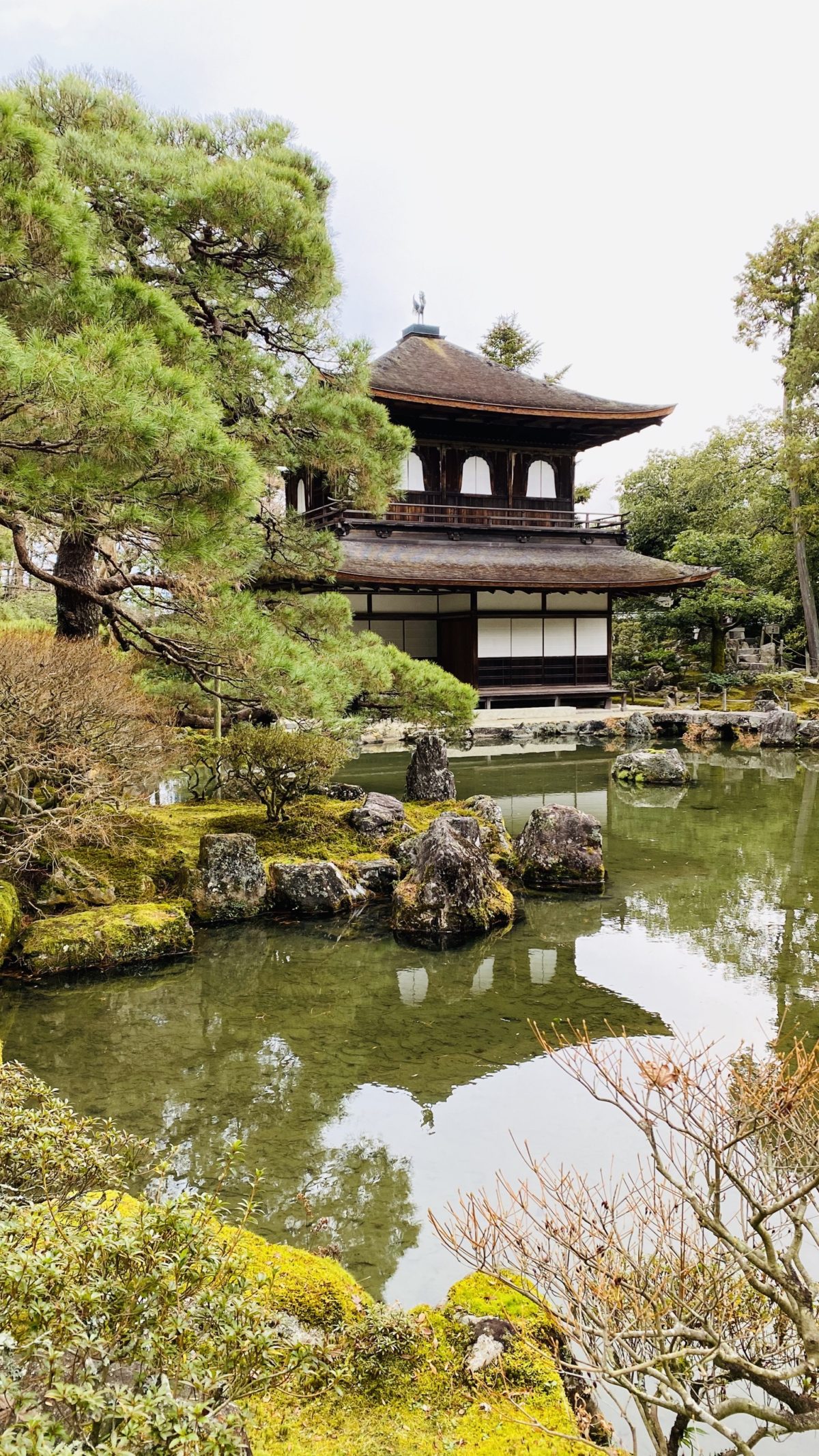
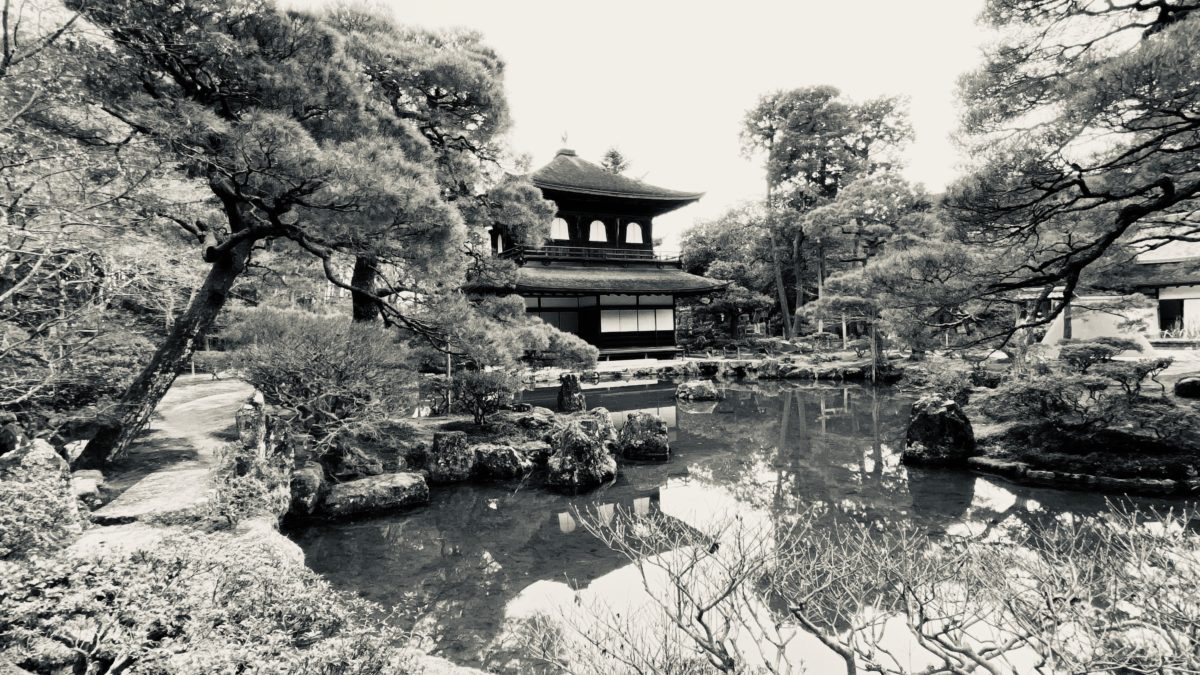
    I have shown you some sounds and photos of Ginkaku-ji temple. It is also known as the Silver Pavillion.

    It was built in the15th Century by a strong Shogun Ashikaga Yoshimasa, to spend his life after retiring.

    And after his death, it was turned into a Zen temple, after his wish.

    The spirit of Zen is tranquility.

    People try Zen to find calmness in the heart.
    [Today’s IKI]Check out the word Zen.

    Zen needs to be explained more in detail, like Yoga, but leave it for now and enjoy the picture.

    Want to know more like this? Subscribe Elica’s IKI, the newsletter.