Not many people, even a Japanese, actually visit, for the place is located really deep in the mountains in deep Nara. It is TenKawa Dai BenZaiTen Shrine. This shrine is the head of all shrines for performing arts! (BenZaiTen is the name of the god of performing arts.)
The music behind the video is also made by me ELICA.
Only, there was a road construction and you may hear low buzzing noise sometime. Still, you can dip yourself into the summer sound of high mountain in Japan.
Before I deliver this blog, I must share my deep sorrow and prayer for UKRAINE who suffer without a reason. I cannot pretend as if nothing is happening and write my usual blog. But at the same time, one may need to stay calm and bless the world.
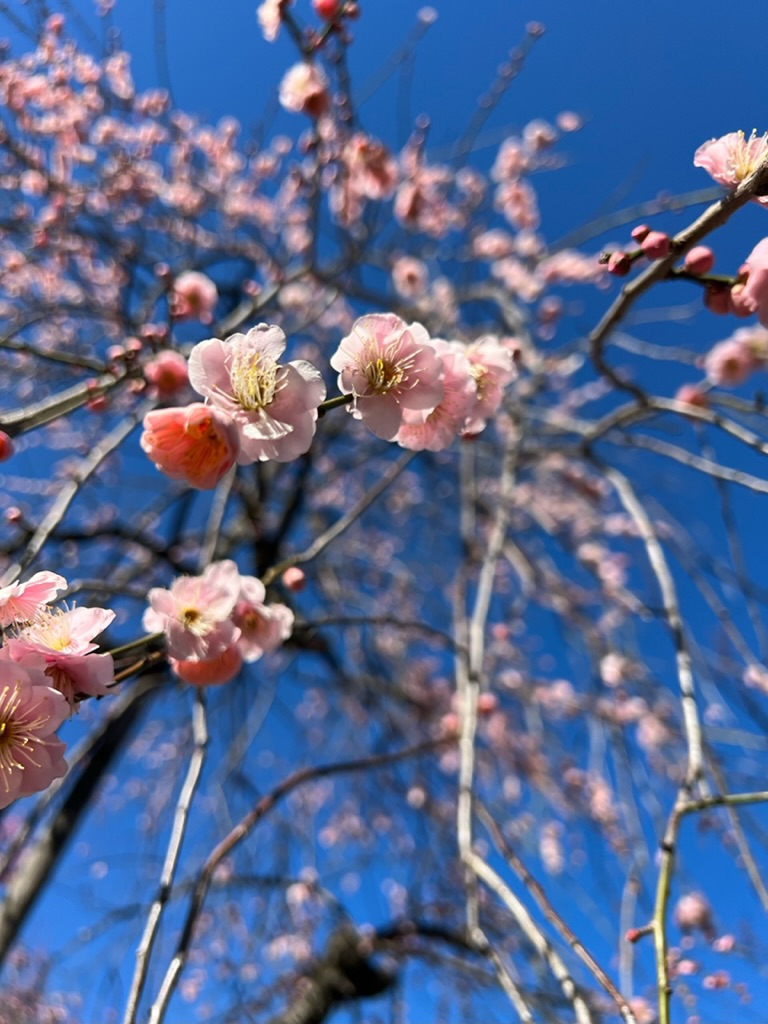
Though the wind and politics are savage, the spring is coming here in Japan. The early rise of spring is traditionally symbolized by plum blossoms. I went to Odawara, two hour drive from central Tokyo, to see the plum orchard. Here is the video. I hope this gives you some relaxing moment.
The season has just started, which means not many flowers on trees.
! ZEN ACTING ! Breathe in the fresh air, to refresh your mind.
You may have heard of Mt. Fuji. There is another great sightseeing spot near Mt Fuji called Hakone.
The Name
Hakone is the name of an active volcano and there is a huge crater lake called AshiNo. We Japanese call it as AshiNo-Ko. “Ashi” is “reed”.”No” is “of”.”Ko” is “lake”. Yes, the lake of reed, Reed Lake.
How to Get There
If you use a public transportation, take a train from Shinjuku to get to Hakone-Yumoto, then take a bus to the lake.
What to Do
There are some old shrines, ancient foot travel road through the deep forest, variety of eating places from traditional Japanese to Italian cafe. You can enjoy lake cruise in a Pirate-Ship. From here you can visit the huge and deep crater called OhWakuDani (Great Bubbling Valley) in a rope-way.
Right, this is a place of fun and awe, in the chest of nature energy.
I took a beautiful video of the lake with my GoPro 9. Enjoy the scenery.
Zen Acting Tip
Listen to the sound of the water. Keep in touch with the wave.
One cloudy day, I went to TanZawa Lake. It provides water for Kanagawa prefecture.
You can only approach by car, which means theare are not so many people there. That means the air is crisp and clean. The atmosphere is quite different from Okutama Lake of Tokyo, though Okutama is also beautiful and clean. How shall I put the difference? This Tanzawa Lake is quieter, bearing old Japan of 100 years ago.
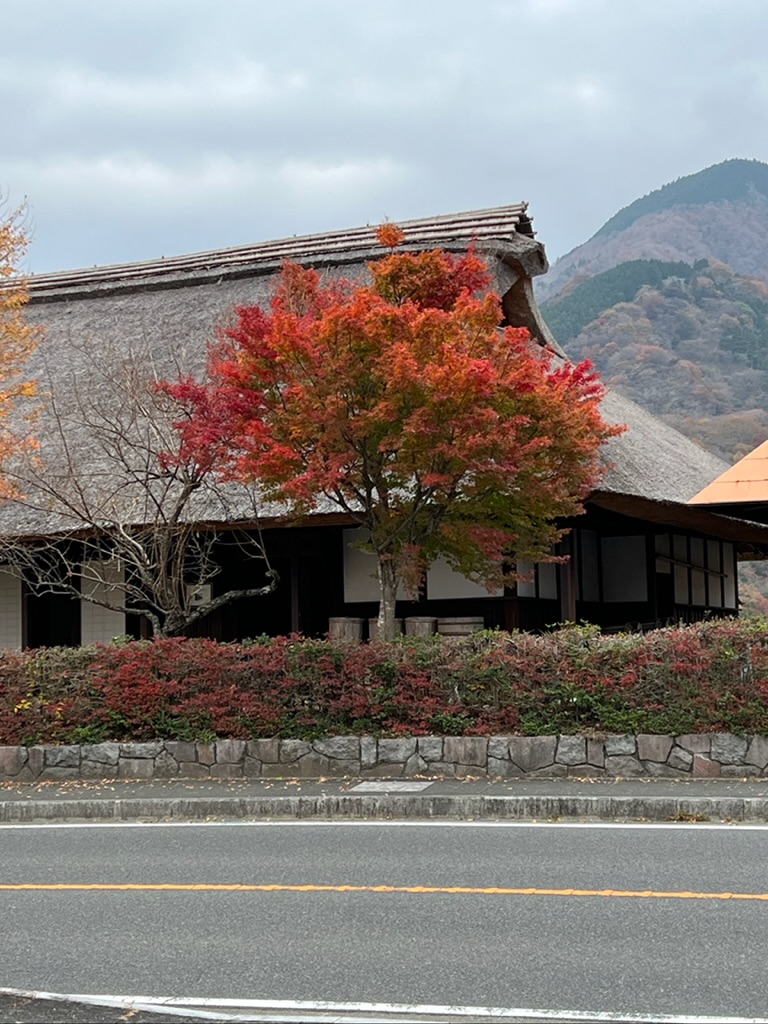
There are an old style Japanese farm life style museum. You can see a people’s house, not aristocratic, just an ordinary farm house.
As I put some notes in the photographs below, I realized the similarities in the architecture of Japanese farm house and Shakespearean farm houses (even theatre!). Thatched roof and white mud. Isn’t it interesting to think of human thinking process?
Left is a living are. Right is a barn.
Red Maple. The rood is thatched, same as Shakespearean English farm house.
Golden Ginko. The wall is white mud, same as Shakespearean Globe.
You see a literal character on the roof, meaning “water”. To write “water” on the roof was believed to prevent fire and lightening struck.
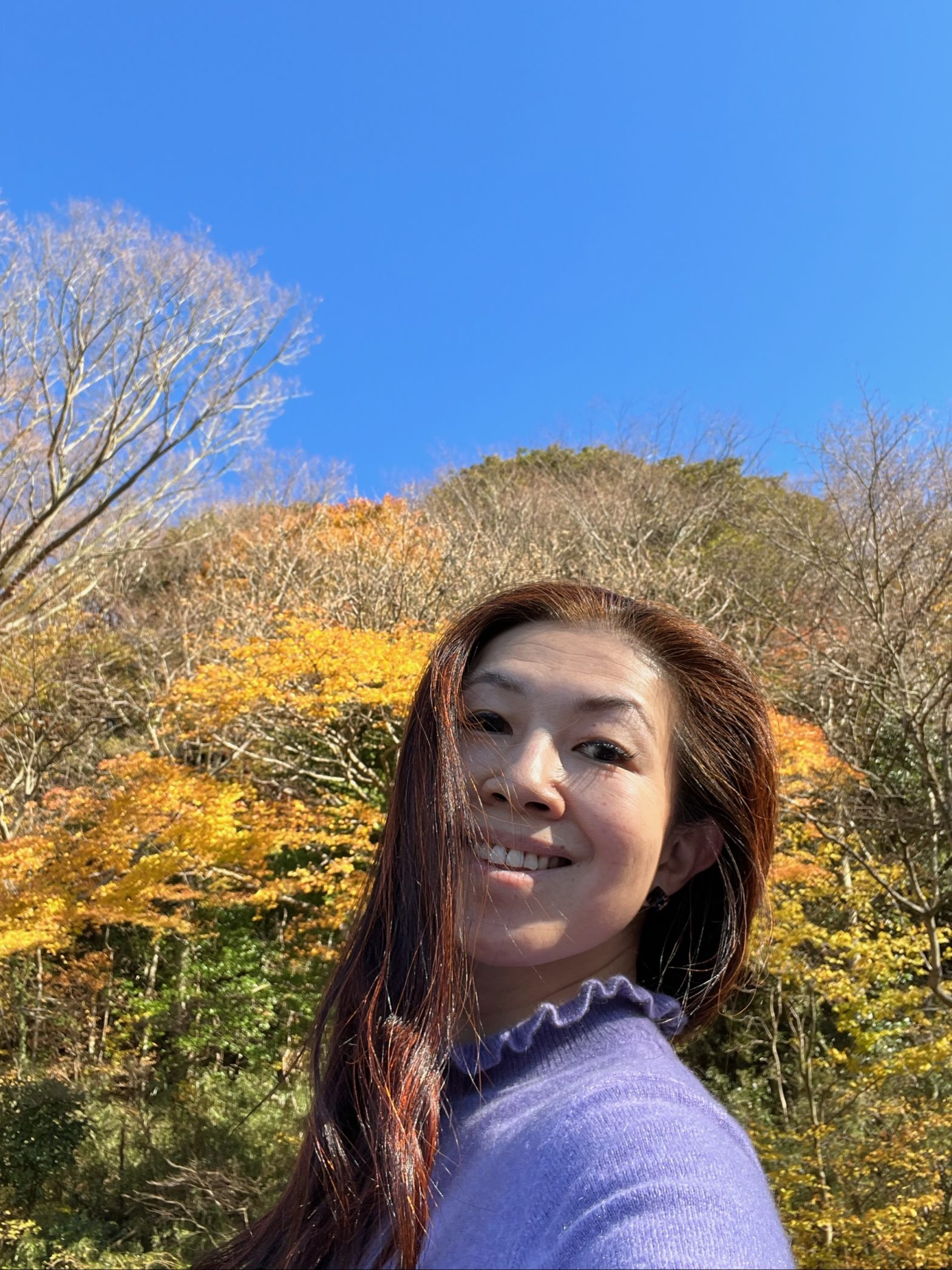
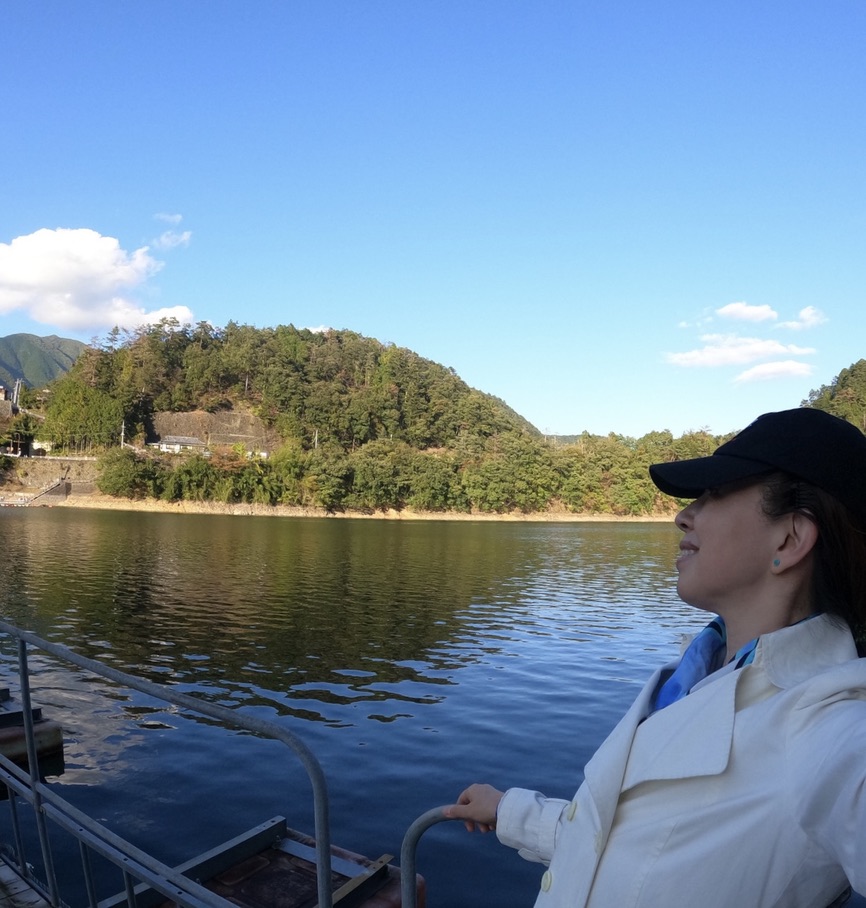
Some lake photographs and me, too.
Hey!
Hi!
Miscanthus is the symbol of autumn.
Never seen this plant. It seems they are flowers.
Hi!
Where to Eat
There are two restaurants in front of the farm house museum. I recommend the smaller one which focuses on Soba menu. (The bigger one has deer meat and other lovely menue as well!)
Look at this big size Tempura plate! When you order Tempura Soba, you have Soba and Tempura in separate plate, for the amount of Tempura is so big! (I order hot soba. You can choose cold soba, too.)
Tempura is with big Prawn and forest vegetables and mushroom. Great and very satisfying!
At the deep end of Tokyo, there is a huge reservoir lake called OkTama (Okutama). And farther deep to the west of the lake, there is a floating bridge.
Once, there were small villages on both sides of the mountains. But about 70 years ago, the area was drowned to make a huge reservoir lake to provide drinking water for Tokyo people.
The two villages, though fortunately saved from being drown, lost contacts with each other. The mountains west of Tokyo are unbelievably steep, if not so high, and without bridges it is almost impossible to reach the village on the other side.
So, when the dam divided those villages, the authority made a temporal bridge by joining many rafts and keep them afloat with oil cans.
Since then, the floating bridge exists as it is, though the oil cans were replaced by plastic.