ELICA's IKI

タグ: travel

  • Do You Think You Are Going To Eat Rice?

    Do You Think You Are Going To Eat Rice?

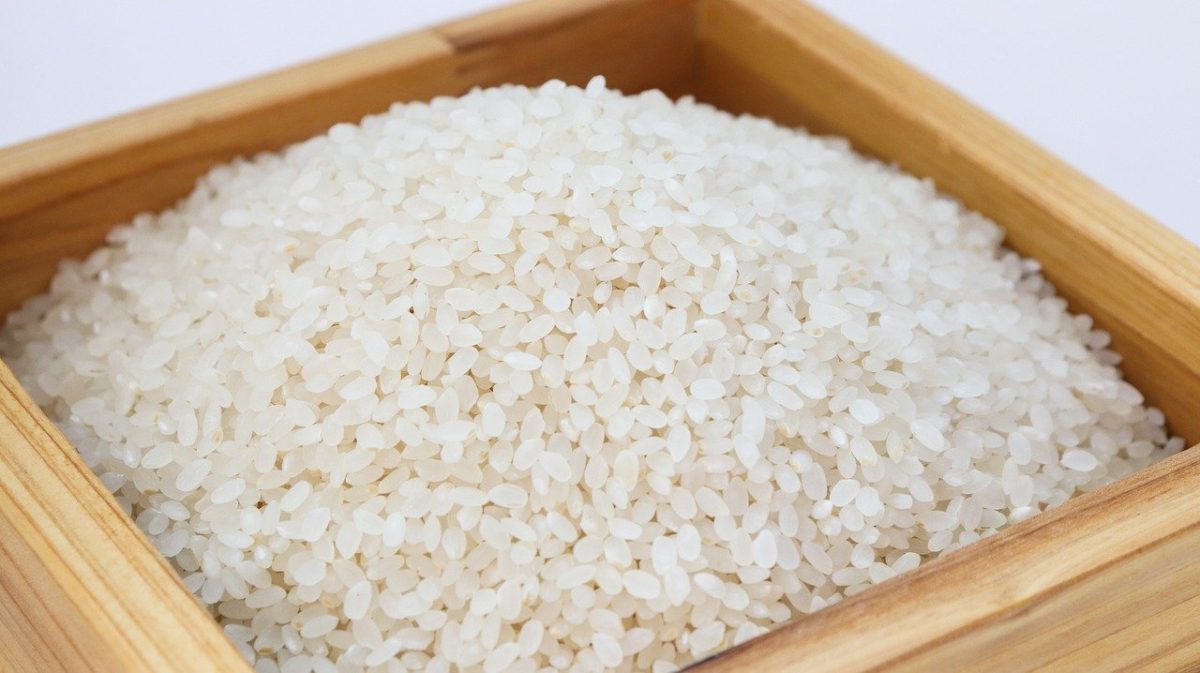
    In Japanese, cooked rice is called « Gohan ».

    But have you heard the Japanese people say, « Gohan Taberu? »

    « Taberu » means to eat.

    So, you might guess that you are going to eat rice.

    No!

    You may be brought to an Italian restaurant or a Chinese restaurant or some sandwich cafe.

    We Japanese use the word « Gohan » for eating food.

    « Gohan Taberu? »
    Is
     « Are you hungry?  Do you want to eat anything? »

    More complicatedly, while eating Japanese food, then « Gohan » means specifically cooked rice.

    Well, you’ll get used to it.


    Want more of Elica’s travel tips to Japan?
    Subscribe Elica’s IKI.
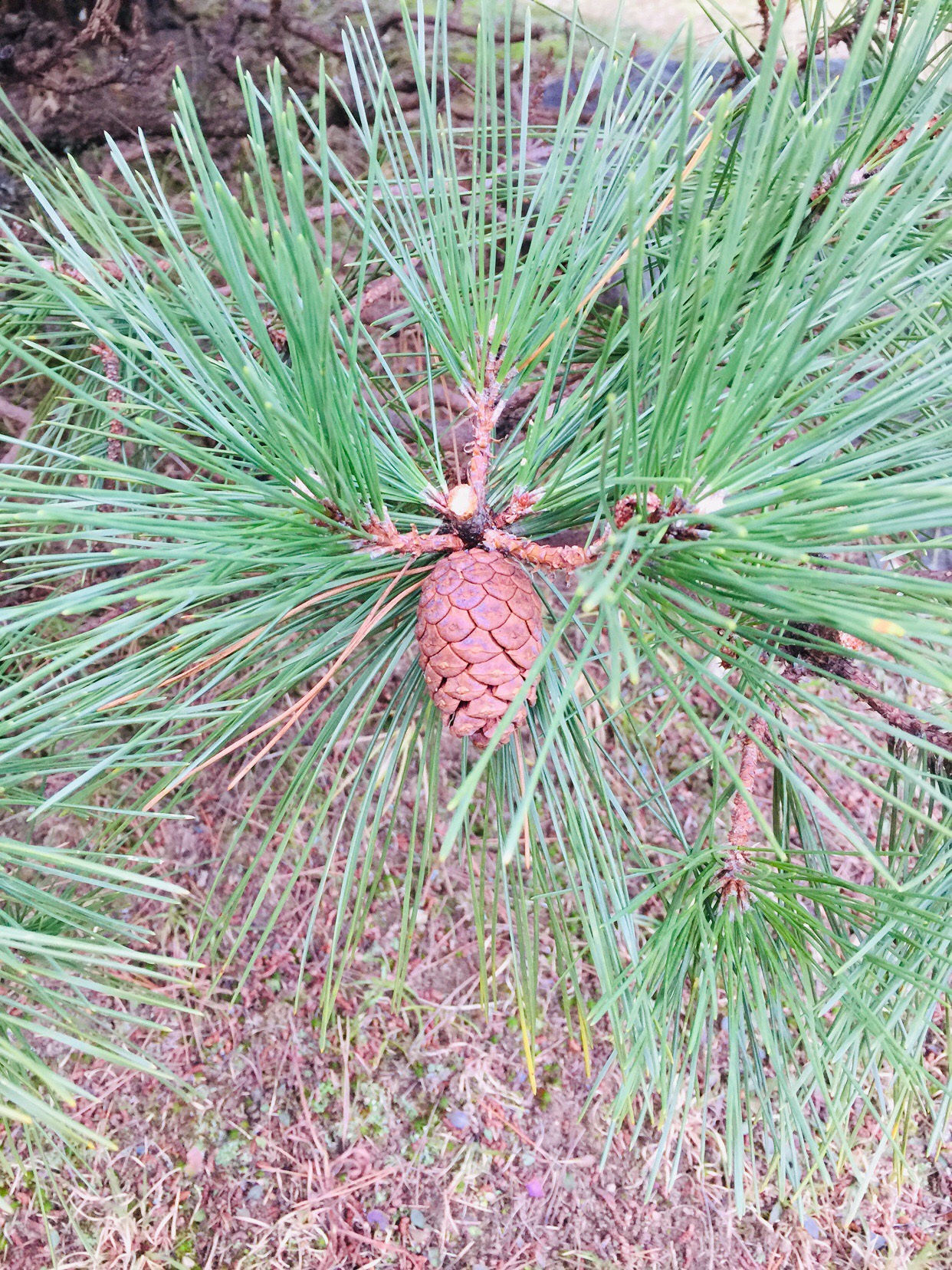
  • Waiting for Pine

    Waiting for Pine

    Waiting for Pine?

    What do I mean?

    Let me explain.

    Pine in Japanese is « Ma-tsu ».
    And Ma-tsu means waiting.

    Pine in Japanese is

    And Waiting in Japanese is

    Two different words in the same pronunciation.

    Traditionally, we love word-playing using this different-meaning-same-pronunciation words.

  • Syo-KanNon Bosatsu 聖観音菩薩

    Syo-KanNon Bosatsu 聖観音菩薩

    My house is in a mess.
    Especially my attic!
    Oh!  Terrible.

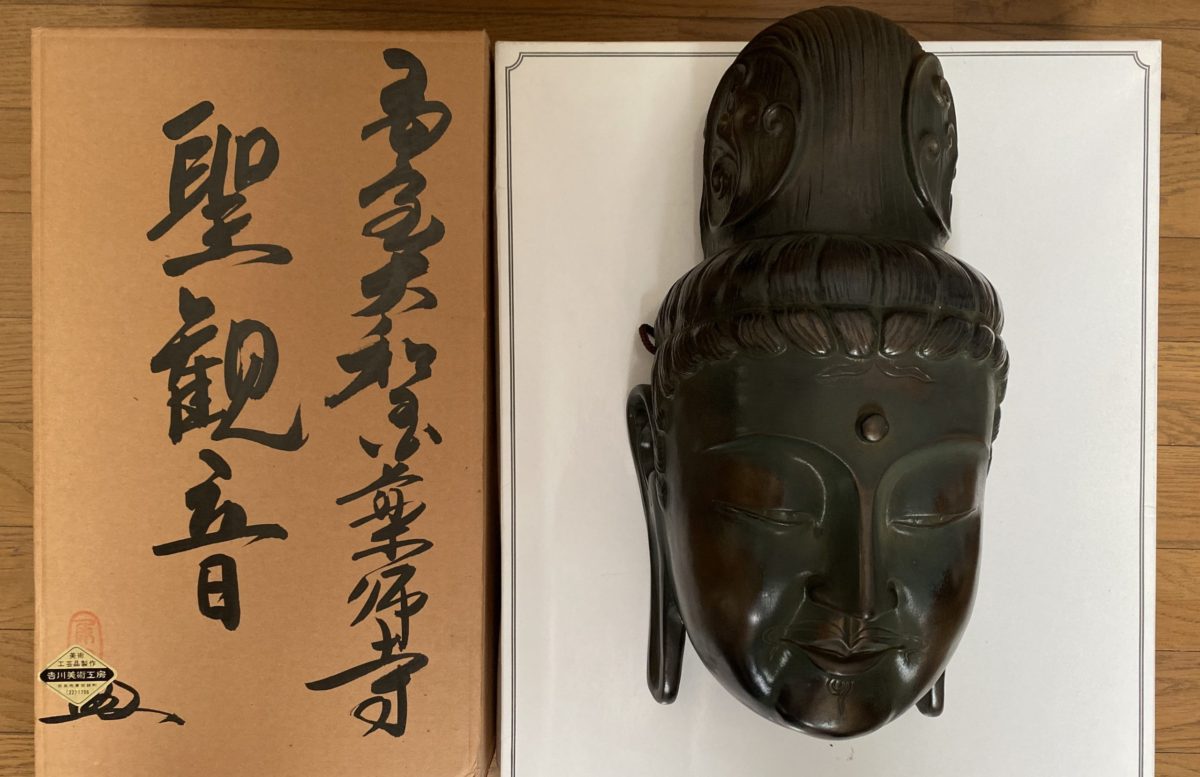
    And last month, at the end of the year 2019, I found a head.

    A head of Buddha.

    (There are several kinds of holy figures in Buddhism, and they all have different names but let me simplify and call it a Buddha.)

    I don’t know how it came to this house.
    It is certainly valuable.

    Syo-KanNon Bosatsu of Yakushi-Ji.

    “Syo” in this case means “Saint”.

    Yakushi-Ji is one of the best-known temples in Nara.

    Yakushi-ji Wikipedia

    (Unfortunately, no official site in English)

    Enjoy Japan.


    Interested in Elica’s Japan guide?
    Please feel free to subscribe.

  • Origami Art

    Origami Art

    Paperfraft?
    No!  It’s more than that.
    Origami is an art.

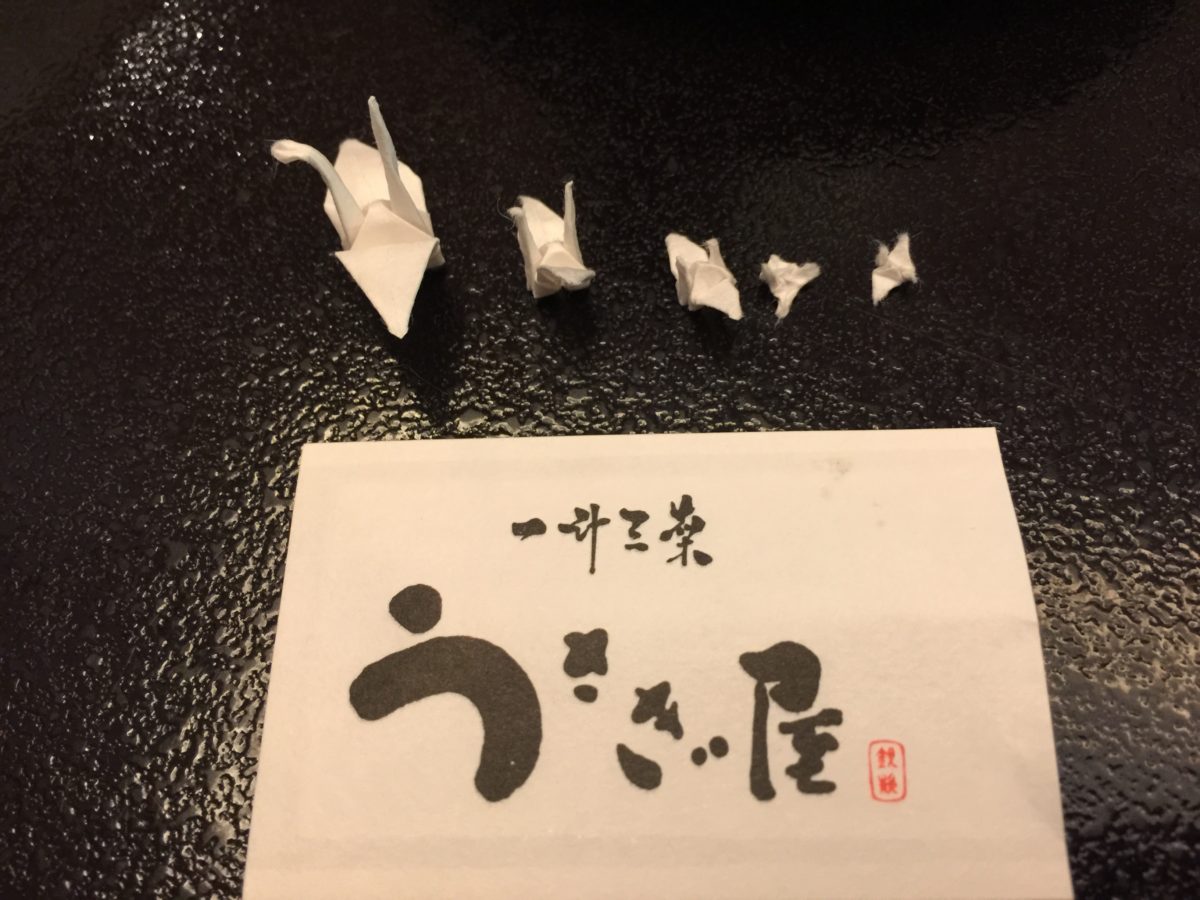
    Look at these tiny little cranes made of thin paper.

    If you are interested in, check a very useful place called Origami Kaikan.

    I usually buy Washi (Japanese paper).
    The shop is fascinating.


    Origami Kaikan
    https://www.origamikaikan.co.jp/lp/english_guide.html


    Sign up for Elica’s wonderful tips on and in and about Japan.

  • Japanese Daily Trays

    Japanese Daily Trays

    Hi!
    Today I have three pictures for you.
     They are serving trays I use daily.
    They are Japanese made and of course, they are made of wood.
    All in different styles.

    SyunKe-i.

    ShunKe-i. 春慶
    ShunKe-i is a style of lacquerware.  
    I heard there are several house branches in ShunKe-i.  
    The most famous house is of Hida area (World Heritage).  
    This tray is of Ki-Syu WakaYama.  

    TakaOka

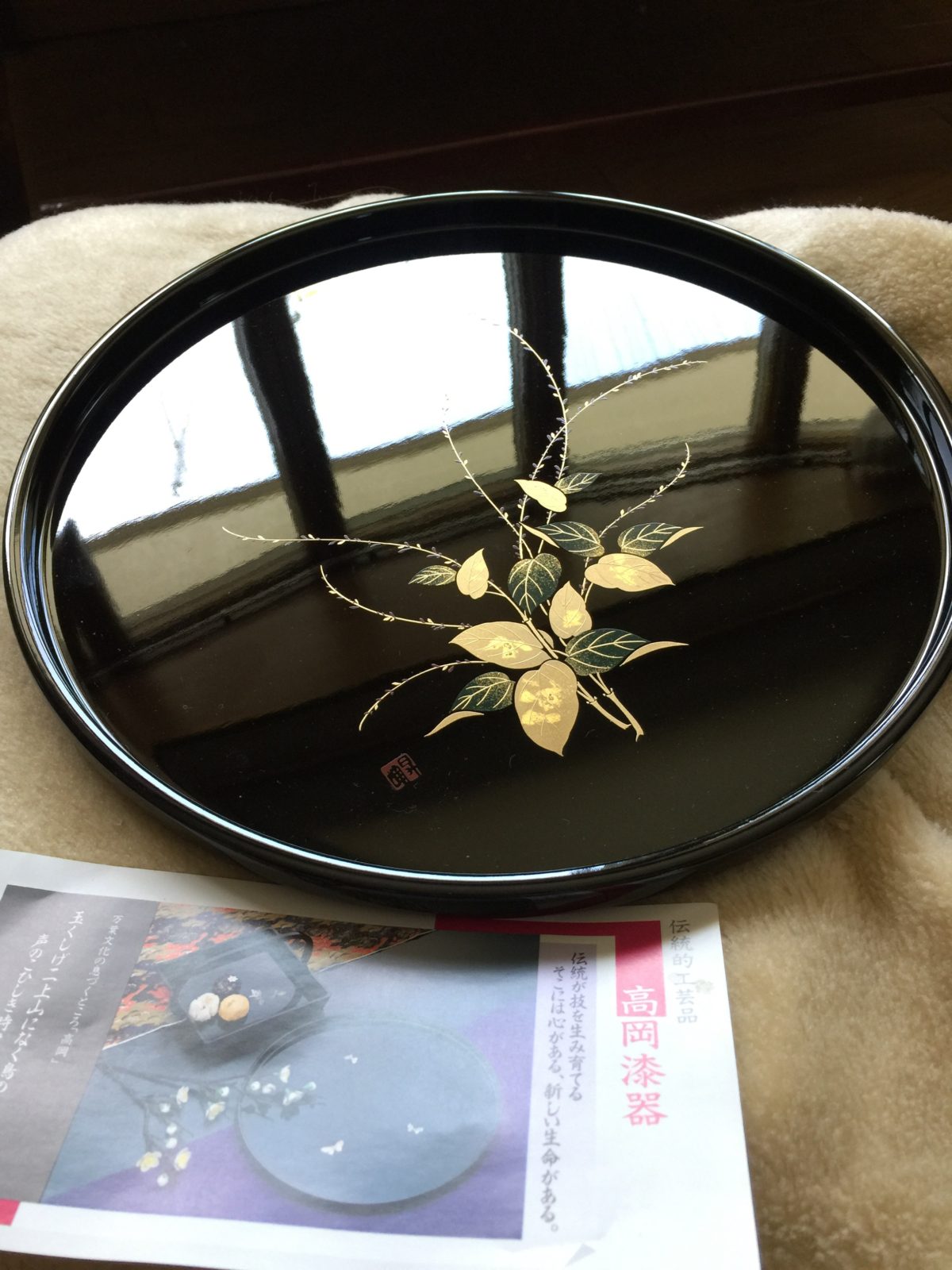
    TakaOka 高岡
    TakaOka is a style of lacquerware of TakaOka area.
    How interesting to see the very different styles of lacquerware, comparing to ShunKe-i.

    The last one is, I think, from Aomori.  
    Aomori is very cold and life is hard there in the winter.  
    But the people’s heart is very warm.
     I think the tray carries the essence, with its powerful wood carving style.


    Subscribe Elica’s IKI, the newsletter to get to know more about beautiful, mysterious Japan.