ELICA's IKI

タグ: japan

  • On Hiroshima Day

    On Hiroshima Day

    1945年8月6日、広島市に原子爆弾が落とされました。第1級河川の悠々たる太田川、8本の支流に分かれて肥沃なデルタを作るあの太田川が、一瞬にして沸騰したそうな。

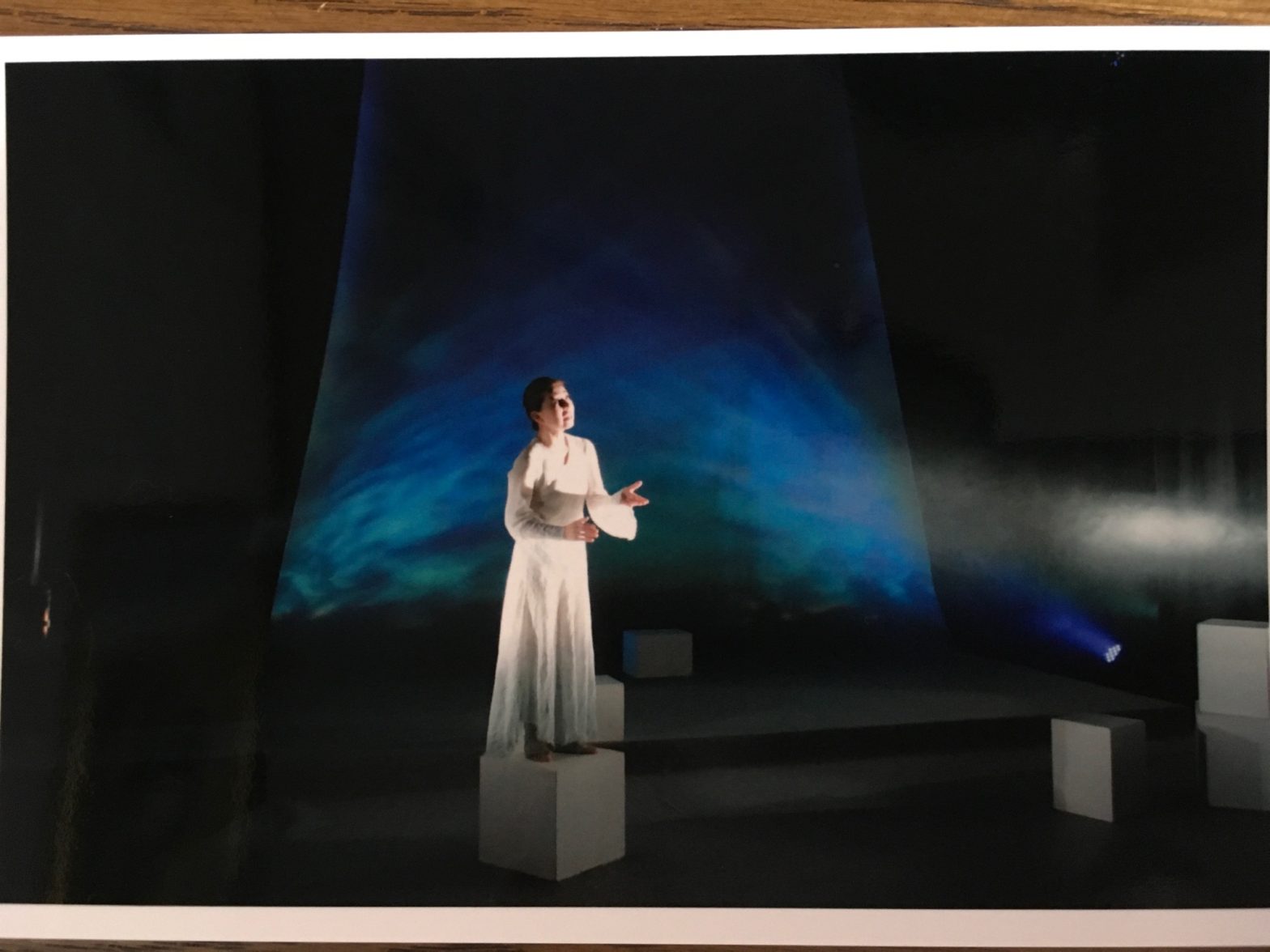
    去年、フランスの現代劇『私は太田、広島の川』の太田川の精霊を演じる役をおおせつかい、それなら8月6日の太田川を見てこなくては、と初めて広島市を訪問しました。

    安芸の宮島やその他のエリアは、演劇のワークショップ等で訪れていたにも関わらず、平和祈念公園やいわゆる原爆関係の場所は、わざわざ見に行くのも物見遊山のようで気が引けて、それで今まで避けていたのです。

    太田川を源流から河口まで旅をするのに、わたしの英語関係の友人知人たちのお世話になりながら、素晴らしく美しい日本の自然を堪能し、これが一瞬にして破壊され尽くされたこと、人までも沸騰して蒸発してしまったこと、上空に吸い上げられた炭素(つまり・・・人です)が雨になって落ちてきたことなどに思いを馳せ、かつ、それをここまで強く前向きに立て直そうとしてきた人々の強い強い思いに言葉もありません。

    今日は、去年の広島の三日間(昨日の太田川、今日の平和祈念公演と関連行事・展示と、明日の帰京と)を鮮明に思い出しました。

    岡田正子先生、私にこの役をくださり、ありがとうございます。アレーグルさん、この役を書いてくださり、ありがとうございます。広島で私と直接会ったみなさん、ありがとうございます。広島を立て直してきた、ひとりひとりのみなさん、心から敬意を表します。

    戦争は、いけない。

    いい加減、相手を叩くことで優越感を得るしかないような、4歳児の心理を世界の国は捨てるべきだ。
  • SoReDeWa = Then

    SoReDeWa means “then” in Japanese.

    Japanese people use the word in “Good Bye” as well.

    SoReDeWa (Then) I will do this.  SoReDeWa (Then) let’s do this.  SoReDeWa (Then) what do you think?  

    And

    SoReDeWa bye!  (Bye, then!)

    DeWa can be shortened as “Ja”.

    So many Japanese use it as “SoReJa”.

    SoReJa!
    Bye now!

  • Fresh Cherry Blossoms in Odawara, Japan

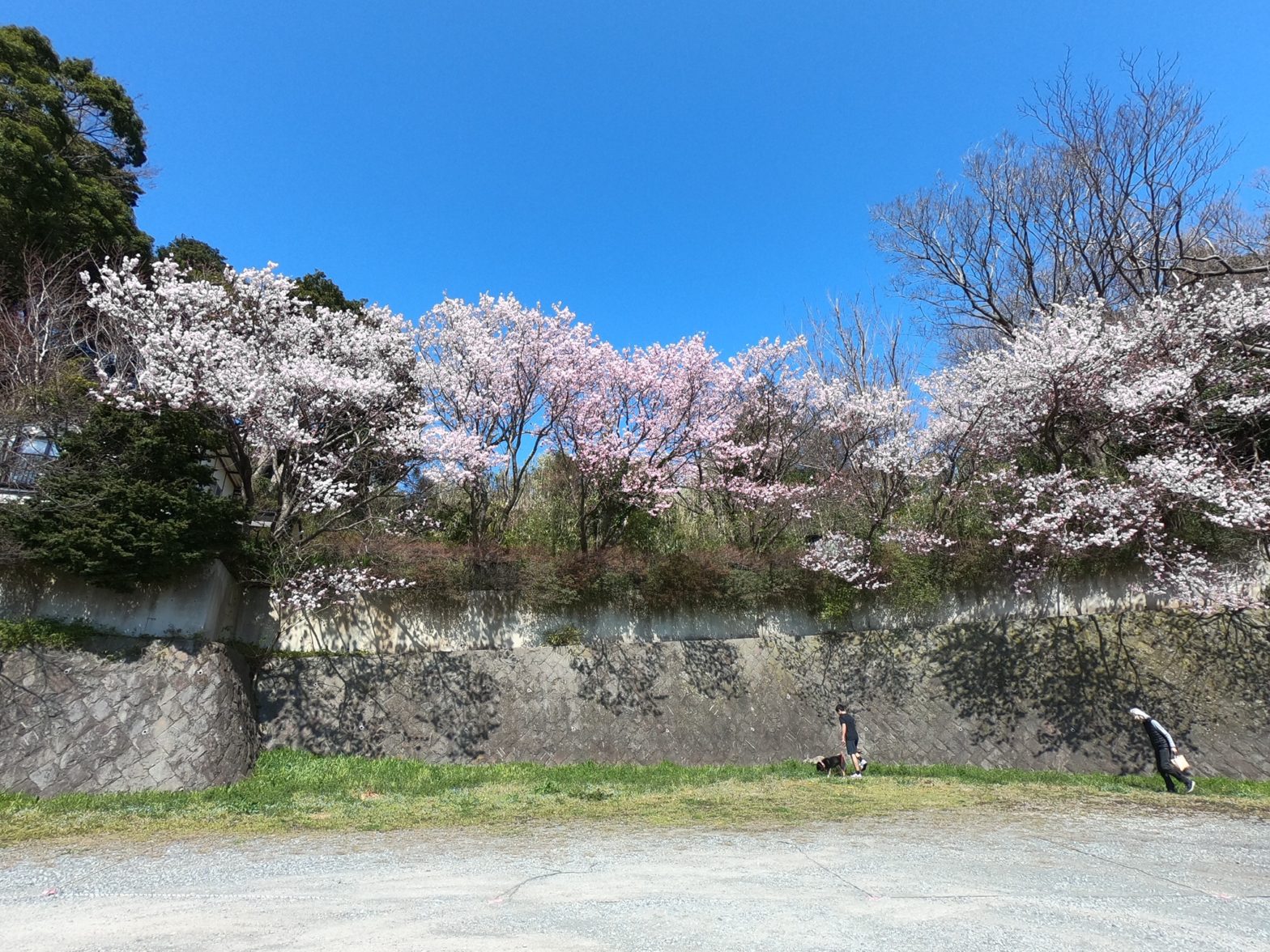
    Fresh Cherry Blossoms in Odawara, Japan

    Hi!

    I am happy to share my beautiful photo with my Dad and nephew and his dog Baggy and my dog Romeo.

  • Ja; Well Then.

    Japanese people use “Ja” quite often.

    “Ja” is another magic word which can be used almost anything.

    It’s just like “Well” in English.

    “Ja” is “Good bye”.
    “Ja” is “See you”.
    “Ja” is “Yes”.
    “Ja” is “No”.“
    Ja” is “Then”

    Japanese people love to shorten sentences. They don’t finish the sentence. The listeners must guess from both the situation, tone of the voice, and the facial expression.

    It is strongly connected with Japanese mind (which I must tell you at some point in the future).

    Ja. 
    A little word.
    A small word.
    Meaning big.
    Meaning a lot.

  • Ak-shu, the shaking hands

    Ak-shu [a k sh] means shaking hands.

    As I said before, Japanese greet with bowing.We rarely touch other people’s body.

    People from shaking-hands culture may be surprised at how weak and shy hands a Japanese has.
    We Japanese are simply not accustomed to it.

    Please greet us with bowing.

    Well, as a theatre practitioner, I teach shaking hands (truly, they need to be taught!) to university students and global business people — many times with executives.
    I also find that business executives from other Asian countries also love to know how to shake hands.

    But do you know how to shake hands properly without awkwardness?  
    Shaking hands is a part of acting techniques.
    It’s that difficult!