ELICA's IKI

タグ: japan

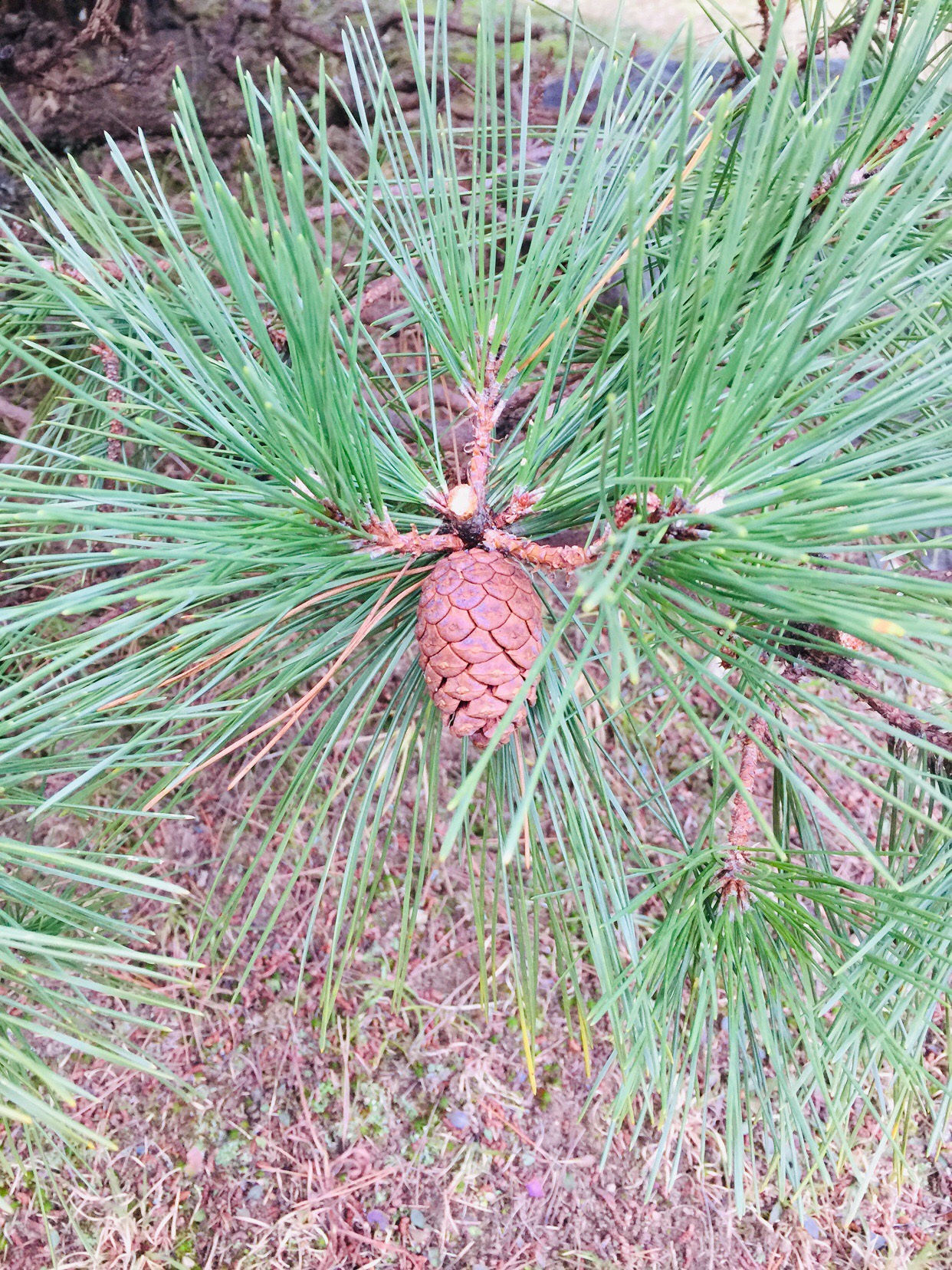
  • Waiting for Pine

    Waiting for Pine

    Waiting for Pine?

    What do I mean?

    Let me explain.

    Pine in Japanese is « Ma-tsu ».
    And Ma-tsu means waiting.

    Pine in Japanese is

    And Waiting in Japanese is

    Two different words in the same pronunciation.

    Traditionally, we love word-playing using this different-meaning-same-pronunciation words.

  • Syo-KanNon Bosatsu 聖観音菩薩

    Syo-KanNon Bosatsu 聖観音菩薩

    My house is in a mess.
    Especially my attic!
    Oh!  Terrible.

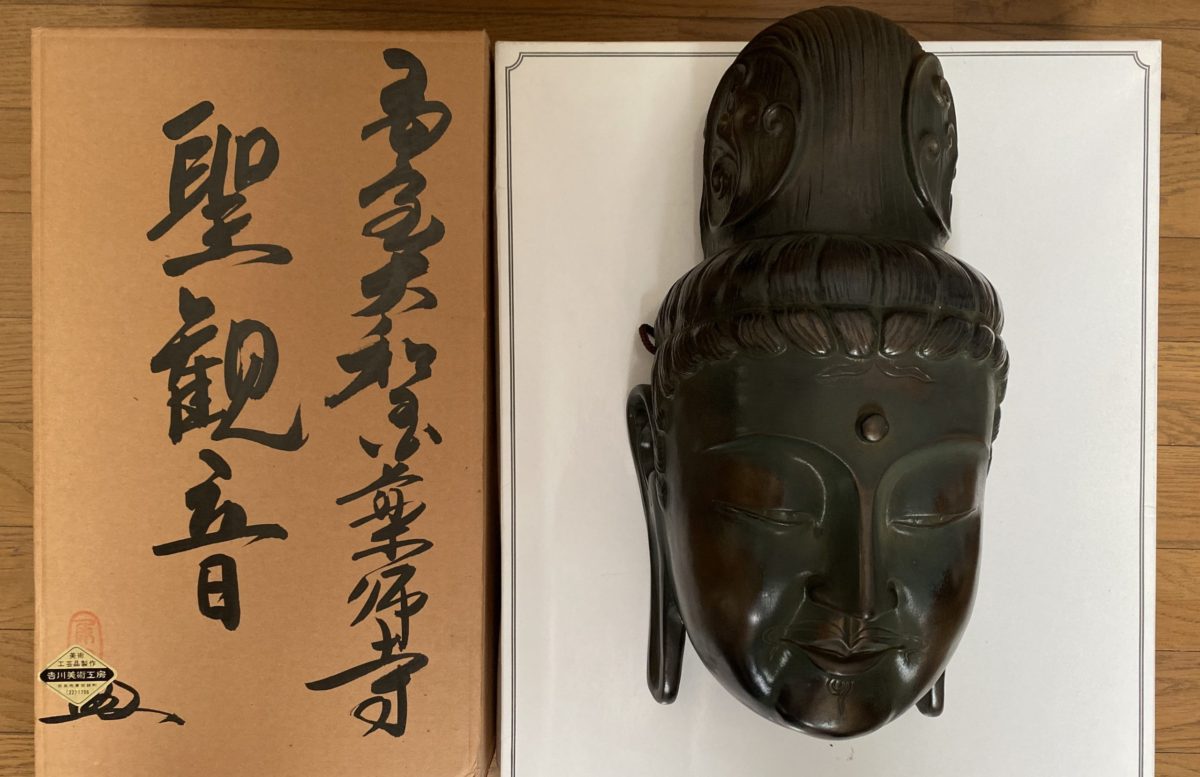
    And last month, at the end of the year 2019, I found a head.

    A head of Buddha.

    (There are several kinds of holy figures in Buddhism, and they all have different names but let me simplify and call it a Buddha.)

    I don’t know how it came to this house.
    It is certainly valuable.

    Syo-KanNon Bosatsu of Yakushi-Ji.

    “Syo” in this case means “Saint”.

    Yakushi-Ji is one of the best-known temples in Nara.

    Yakushi-ji Wikipedia

    (Unfortunately, no official site in English)

    Enjoy Japan.


    Interested in Elica’s Japan guide?
    Please feel free to subscribe.

  • Origami Art

    Origami Art

    Paperfraft?
    No!  It’s more than that.
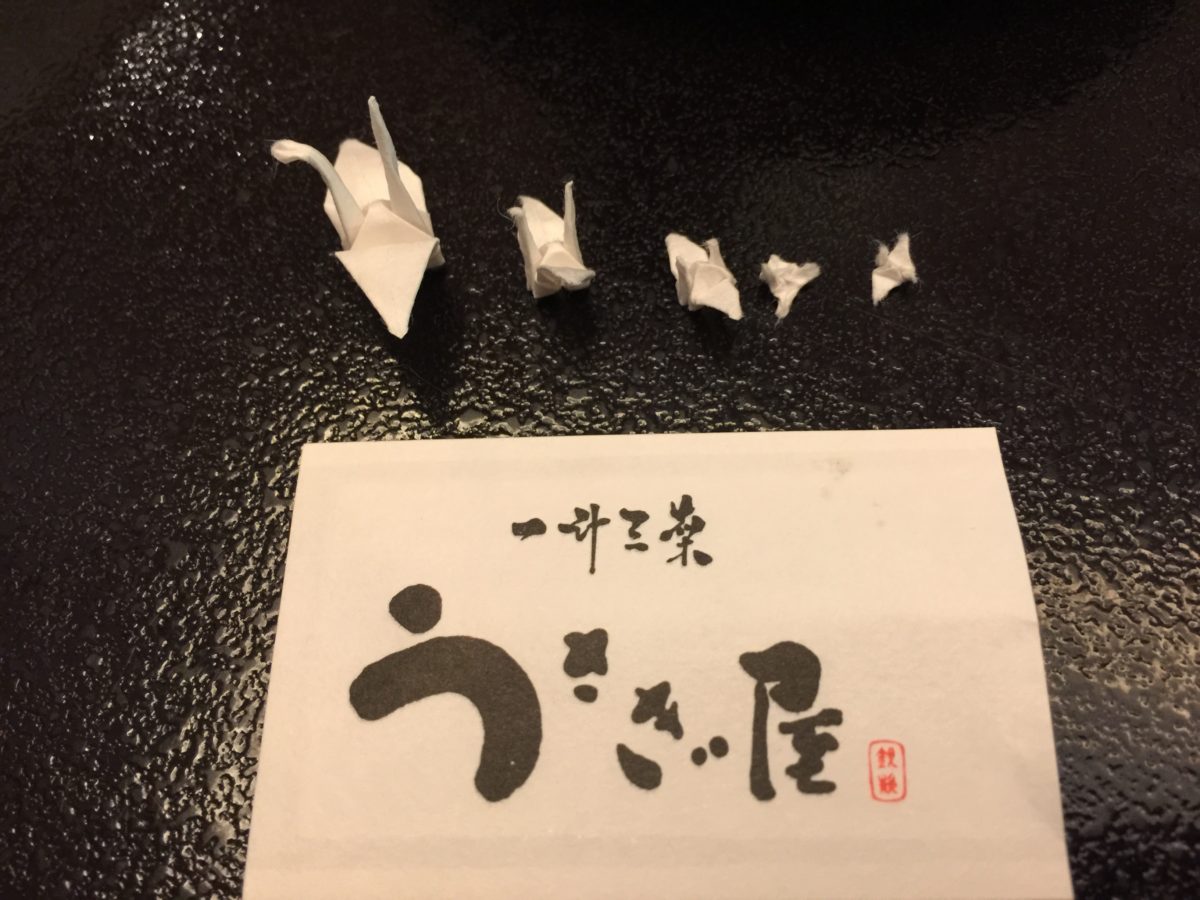
    Origami is an art.

    Look at these tiny little cranes made of thin paper.

    If you are interested in, check a very useful place called Origami Kaikan.

    I usually buy Washi (Japanese paper).
    The shop is fascinating.


    Origami Kaikan
    https://www.origamikaikan.co.jp/lp/english_guide.html


    Sign up for Elica’s wonderful tips on and in and about Japan.

  • Japanese Daily Trays

    Japanese Daily Trays

    Hi!
    Today I have three pictures for you.
     They are serving trays I use daily.
    They are Japanese made and of course, they are made of wood.
    All in different styles.

    SyunKe-i.

    ShunKe-i. 春慶
    ShunKe-i is a style of lacquerware.  
    I heard there are several house branches in ShunKe-i.  
    The most famous house is of Hida area (World Heritage).  
    This tray is of Ki-Syu WakaYama.  

    TakaOka

    TakaOka 高岡
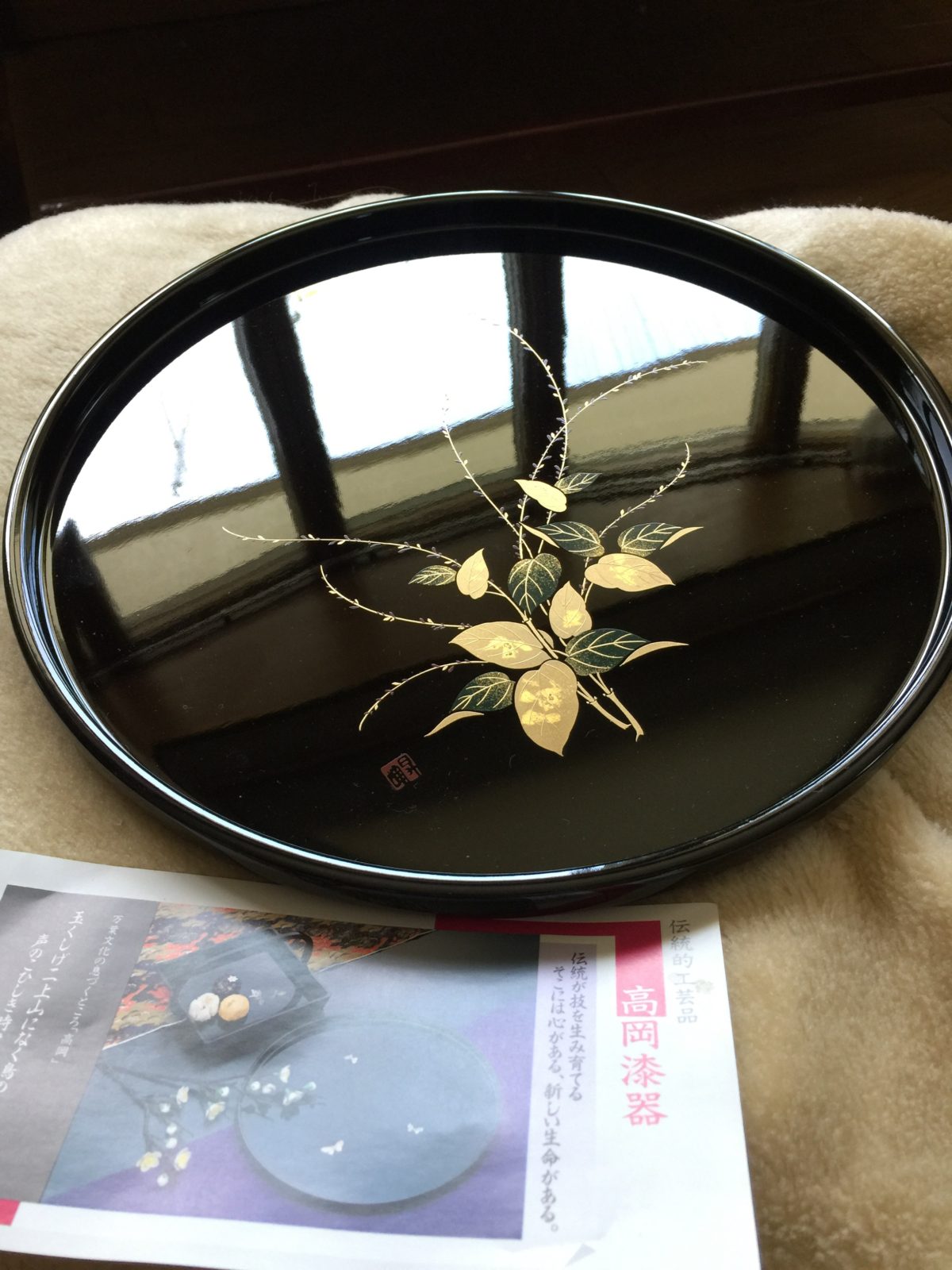
    TakaOka is a style of lacquerware of TakaOka area.
    How interesting to see the very different styles of lacquerware, comparing to ShunKe-i.

    The last one is, I think, from Aomori.  
    Aomori is very cold and life is hard there in the winter.  
    But the people’s heart is very warm.
     I think the tray carries the essence, with its powerful wood carving style.


    Subscribe Elica’s IKI, the newsletter to get to know more about beautiful, mysterious Japan.

  • KotoToi Dango

    KotoToi Dango

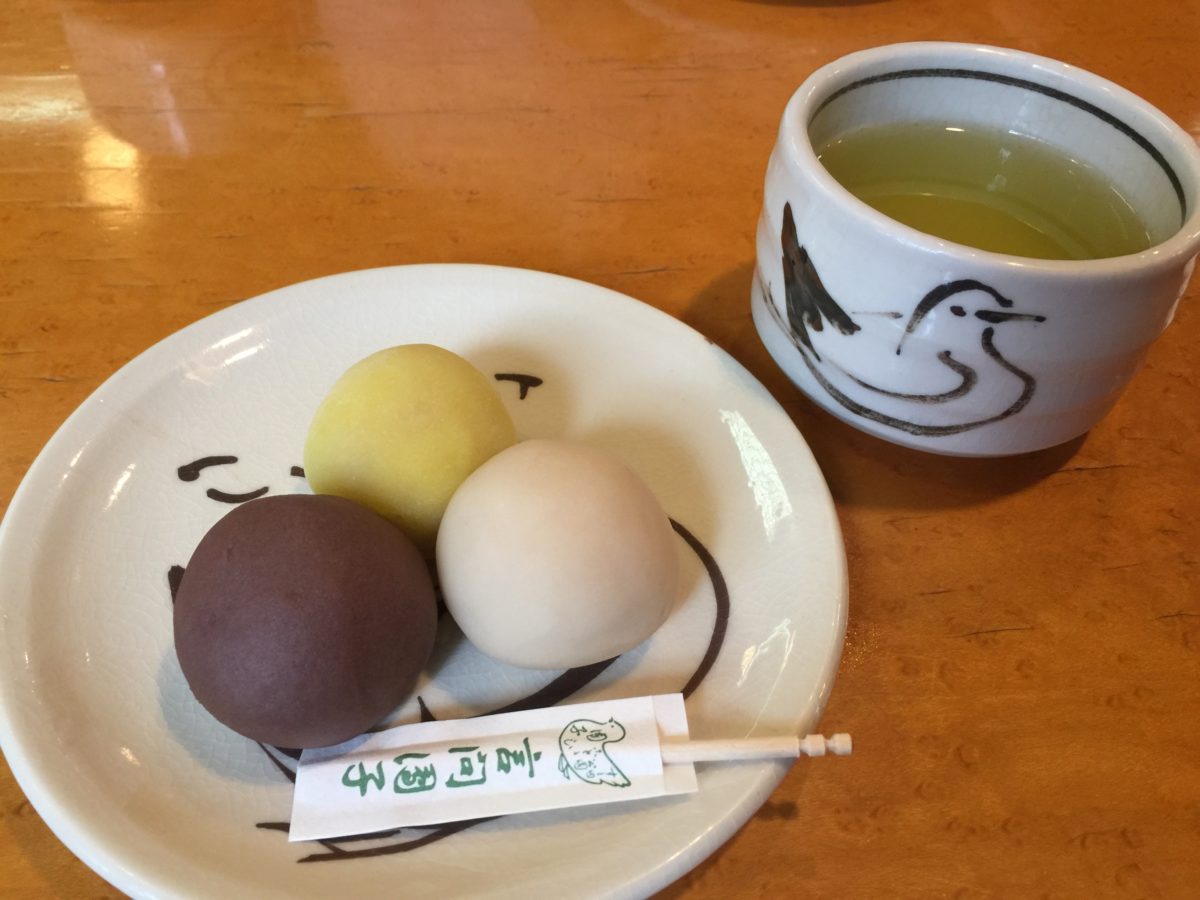
    KotoToi Dango.

    A kind of Japanese sweets.

    I wonder why I feel the need to put the word “Japanese” every time I show something originated in Japan?

    Because, people are not familiar with.

    OK, so here it is!

    Another Japanese sweet.

    KotoToi Dango.

    Dango means this kind of round squashy food.
    (For exmple, if they are made of meat, they are called Niku Dango, meatball. However, a ball is not called Dango. A ball is called Tama in Japanese. Hey, complicated! Sorry.)
    OK, I got the Dango part. But why the name KoToi?

    KotoToi is the name of a street in Tokyo.

    KotoToi Dango is originated from there.